



 PP BATTERY บริการเปลี่ยนแบตรถยนต์นอกสถานที่


The Allure of Chance and Uncertainty
The psychological appeal of casino games often stems from the thrill of chance and the unpredictability of outcomes. Many players are drawn to the excitement of not knowing whether they will win or lose, which creates a powerful motivation to engage in these activities. This uncertainty triggers the brain’s reward center, releasing dopamine, a neurotransmitter associated with pleasure and reward. For those seeking to enhance their gaming experience, an instant withdrawal casino can provide immediate access to winnings, and as a result, the anticipation of potentially winning big keeps players invested in the game, as they chase that exhilarating feeling of triumph.
Moreover, the concept of near-misses can further enhance this thrill. When players experience a close call to winning but ultimately fall short, it can evoke a strong desire to continue playing, as they may believe that a win is just around the corner. This psychological phenomenon, known as the “illusion of control,” leads individuals to overestimate their ability to influence outcomes that are actually determined by chance. Such cognitive biases foster ongoing participation in casino games, as players become trapped in a cycle of hope, anticipation, and the desire for victory.
Ultimately, the allure of chance and uncertainty is a compelling driving force behind the widespread popularity of casino games. By tapping into this desire for unpredictability and excitement, casinos create an environment that encourages players to return, often spending substantial amounts of money in pursuit of that elusive win. The psychological mechanisms at play highlight the complexities of human behavior in the context of gambling, illustrating how emotional and cognitive processes can significantly influence decision-making in such settings.
The Role of Reinforcement and Rewards
The principles of reinforcement psychology play a significant role in understanding why people are drawn to casino games. When players win, they experience a reward that reinforces their behavior, making them more likely to continue playing in hopes of achieving similar outcomes. Casinos often employ mechanisms such as loyalty programs and bonuses to enhance these rewards, creating an enticing loop of reinforcement that can lead to prolonged gambling sessions. The thrill of winning serves to create a positive feedback loop, further entrenching players in their gambling habits.
Variable reinforcement schedules—where wins are unpredictable—are particularly effective in maintaining player engagement. This unpredictability leads players to return to the games, continuously searching for that next reward. The excitement surrounding potential wins can elevate adrenaline levels, pushing players to seek the thrill associated with gambling. Smaller, frequent wins can boost morale, prompting players to stay in the game longer in the hopes of landing a more substantial jackpot, thus amplifying their commitment to the activity.
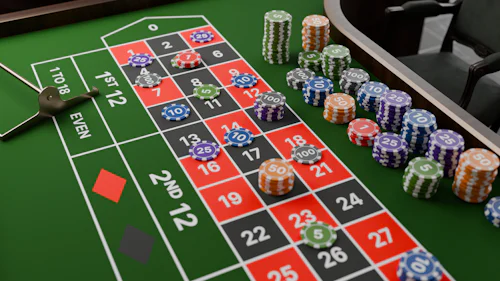
Additionally, the social atmosphere within casinos amplifies the reinforcement experienced by players. Engaging with others at slot machines or table games creates shared excitement and fosters a communal environment that enhances the overall experience. This social reinforcement, combined with the financial rewards from winning, cultivates a powerful motivation for individuals to spend more time and money in these establishments. The interplay between social engagement and personal rewards solidifies the cycle of gambling behavior, making it challenging for many to break free from their habits.
Cognitive Biases and Decision Making
Cognitive biases significantly shape how individuals perceive and engage with casino games. One of the most notable biases is the “gambler’s fallacy,” which is the belief that past outcomes influence future events in random games. Players might think that after experiencing several losses, a win is “due.” This flawed thinking can lead to misguided decision-making, resulting in individuals increasing their bets, believing that they are on the verge of a favorable outcome when, in reality, each spin or deal is independent of the last.
Another significant cognitive bias is the “sunk cost fallacy,” where players continue to invest time and money into games in which they have already incurred considerable losses. This irrational decision-making can lead to chasing losses, resulting in deeper financial commitments than originally intended. The emotional investment made during gameplay often clouds judgment, causing players to overlook rational assessments of their situation in favor of emotional highs and lows, further entrenching them in their gambling habits.
Understanding these cognitive biases can help both players and advocates for responsible gambling develop strategies to mitigate reckless behavior. By recognizing the influence of these biases, individuals can make more informed decisions, reducing the likelihood of overcommitting to games based on emotion rather than rational thought. Raising awareness of the cognitive processes involved in gambling scenarios is crucial for fostering healthier gaming habits and ensuring that enjoyment does not transition into harm.
Environment and Design Influences
The design and environment of casinos are meticulously crafted to enhance the gaming experience and encourage prolonged play. Elements such as lighting, sound, and layout are carefully considered to create an immersive atmosphere that captivates players. Bright lights and engaging sound effects are designed to evoke feelings of excitement and anticipation, drawing individuals deeper into the experience and often leading to longer play sessions. The sensory stimulation provided by these elements can significantly heighten emotional responses associated with gambling.

Additionally, the layout of a casino plays a crucial role in directing player behavior. Organizing games in a way that promotes ease of access, alongside the flow of foot traffic, encourages exploration and discovery. Casinos are intentionally designed to minimize distractions from the outside world, creating a sense of timelessness that can lead players to lose track of hours spent gambling. This carefully constructed environment enhances the emotional highs and lows associated with gaming, further reinforcing the desire to play.
Furthermore, the availability of complimentary drinks and snacks within casinos contributes to the overall experience, fostering a relaxed state of mind that may lead to increased betting. This hospitality approach works to cultivate a welcoming atmosphere, positioning the casino as a comfortable, enjoyable environment where individuals can immerse themselves in the thrill of gaming. These design elements, combined with the psychological influences at play, create a potent mix that keeps players engaged for extended periods.
How Understanding Psychology Enhances Responsible Gambling
Understanding the psychology behind casino games is vital for promoting responsible gambling practices. By shedding light on the emotional and cognitive processes that influence player behavior, stakeholders can develop more effective interventions and educational resources aimed at reducing the risk of gambling-related harm. This knowledge empowers players to recognize their triggers, helping them make conscious decisions about their engagement with gaming activities. Awareness of psychological influences can play a crucial role in fostering healthier gaming habits.
Moreover, casinos can leverage insights from psychological research to implement strategies that promote safer gambling environments. This could include providing clear information about the odds of various games, as well as offering tools that allow players to set limits on their spending and playing time. By fostering an environment where responsible choice is encouraged, casinos can contribute positively to public perceptions of gaming, reassuring patrons that their well-being is prioritized. Such initiatives can help mitigate the potential risks associated with gambling.
Ultimately, the interplay between gaming psychology and responsible gambling practices highlights the importance of understanding player behavior. By leveraging psychological insights, both players and casinos can work towards creating a balanced gaming landscape that maintains the excitement and enjoyment of casino games while minimizing risks. This approach benefits the entire community, ensuring that gaming remains a source of entertainment rather than a pathway to distress, thus fostering a healthier gaming culture.